01 / Dara · Product ecosystem · 2023
What started as an IA mapping exercise became a full product re-architecture: a 12-month design strategy, the Roots design system, and a rebuilt design organization at Dara.
Role
Design lead, strategy and systems
Team
Product, engineering, and leadership across the organization
Duration
12-month roadmap, multi-year impact
Platforms
Web · Design system
Problem
The navigation problems were symptoms, not the disease.
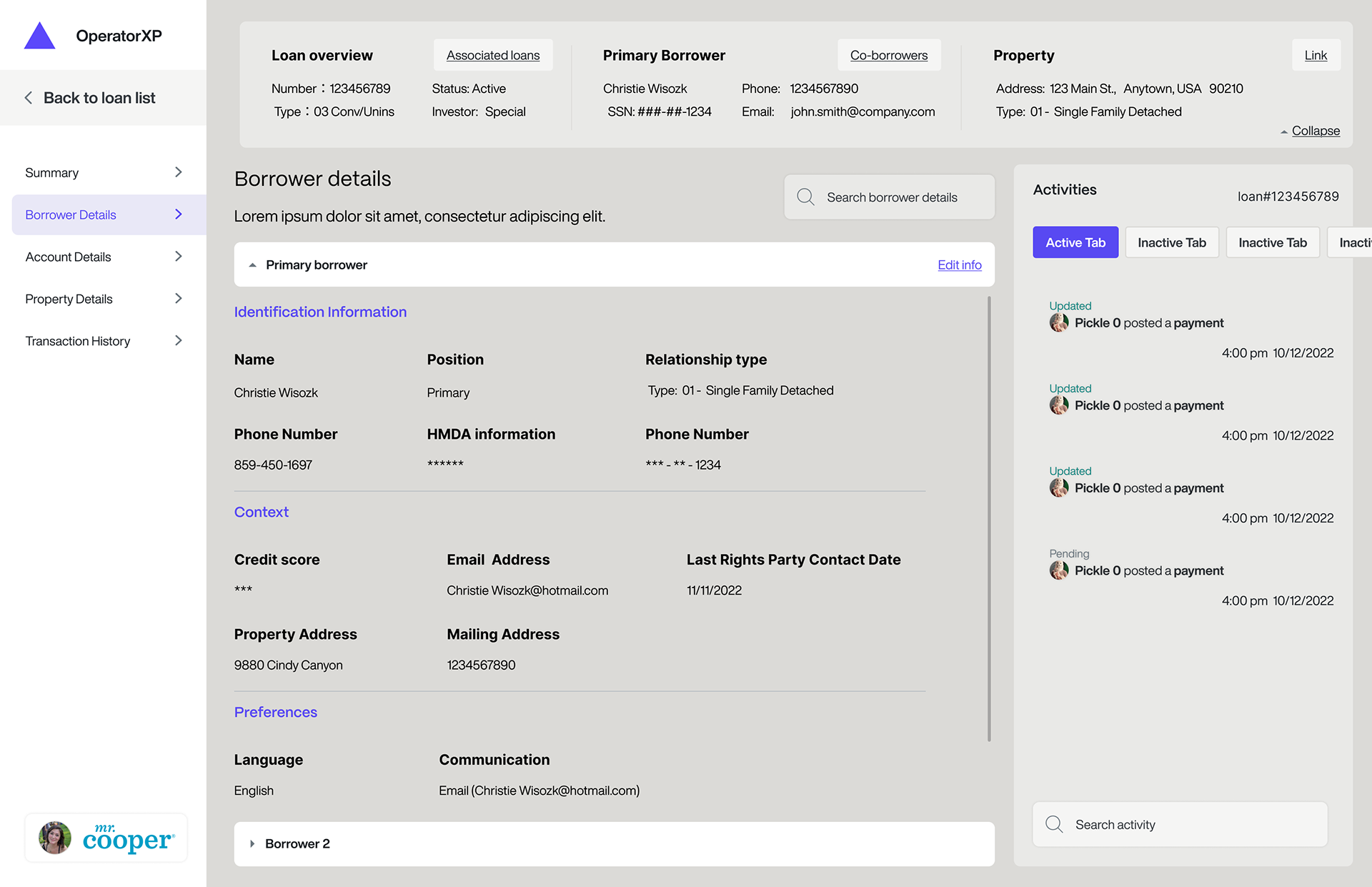
Project Northstar began as a pure IA exercise, a focused attempt to understand how users navigated the ecosystem and how product surfaces related to one another. Very quickly it became clear that IA issues were not isolated usability problems, but indicators of broken mental models embedded in the product, redundant and misaligned feature ownership, and technical decisions that had calcified into UX constraints.
What started as navigation mapping evolved into a full-scale product re-architecture initiative.
Discovery
System mapping before solutioning.
I mapped the entire product ecosystem across user roles and permissions, product verticals and dependencies, feature overlap and divergence, and legacy versus actively maintained surfaces. This revealed where UX problems were actually code problems, and where code problems were actually organizational problems.
A core constraint was that large portions of the product needed to be rebuilt on top of incorrect or brittle code. Instead of designing in abstraction, I audited what could be safely iterated versus what required long-term refactors, designed IA and interaction patterns that could progressively enhance the product without blocking delivery, and made explicit tradeoffs between short-term UX gains and long-term platform health. This kept design from becoming aspirational theater and positioned it as a strategic partner to engineering.
Process
A roadmap, a design system, and an organization that could sustain both.
01 · 12-month strategic roadmap
Once Northstar clarified the system, I authored and led a 12-month design strategy that identified high-leverage areas of opportunity across the ecosystem, sequenced improvements to align with engineering capacity and business milestones, and let the team modernize the product without destabilizing mission-critical workflows. The roadmap became a shared artifact across product, engineering, and leadership.
02 · Roots design system
To support the re-architecture, I created and led Roots, a foundational design system built for Dara's complexity. Roots was not a component library in isolation; it was a decision-making framework. It unified the visual language across fragmented surfaces, encoded accessibility, hierarchy, and interaction principles directly into components, and was designed to work with imperfect code so teams could adopt it incrementally rather than requiring a full rewrite upfront.
03 · Design team rebuild
Rebuilt the design team structure to align with product verticals and strategic initiatives, clarified ownership, expectations, and collaboration models, and shifted design from reactive delivery to proactive problem-solving.
04 · Product, design, engineering integration
Implemented automated workflows that kept product, design, and engineering in seamless communication, reduced friction in handoffs, and kept design intent, technical feasibility, and business needs aligned throughout delivery.
05 · Early AI integration
Spearheaded the early integration of AI into the product ecosystem, focused on augmenting workflows rather than introducing novelty features, and evaluated AI opportunities through the lens of usability, trust, and long-term scalability.
Use cases
Moonshot versus Dara: the re-architecture in screens.
Moonshot · Loan View
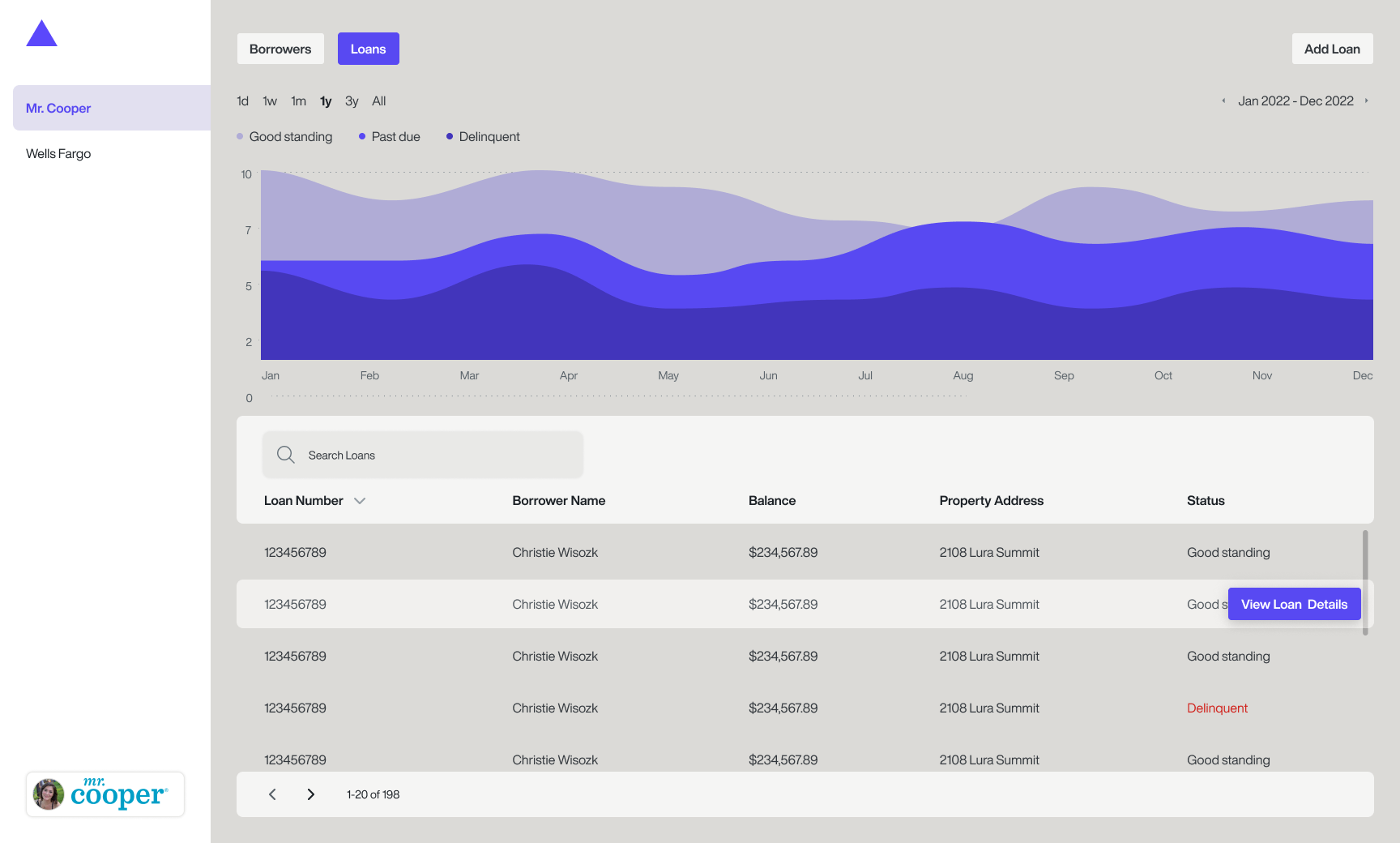
The re-architected loan view under the Northstar vision: a single object with a clear hierarchy instead of fragmented surfaces.
Dara · Loan View
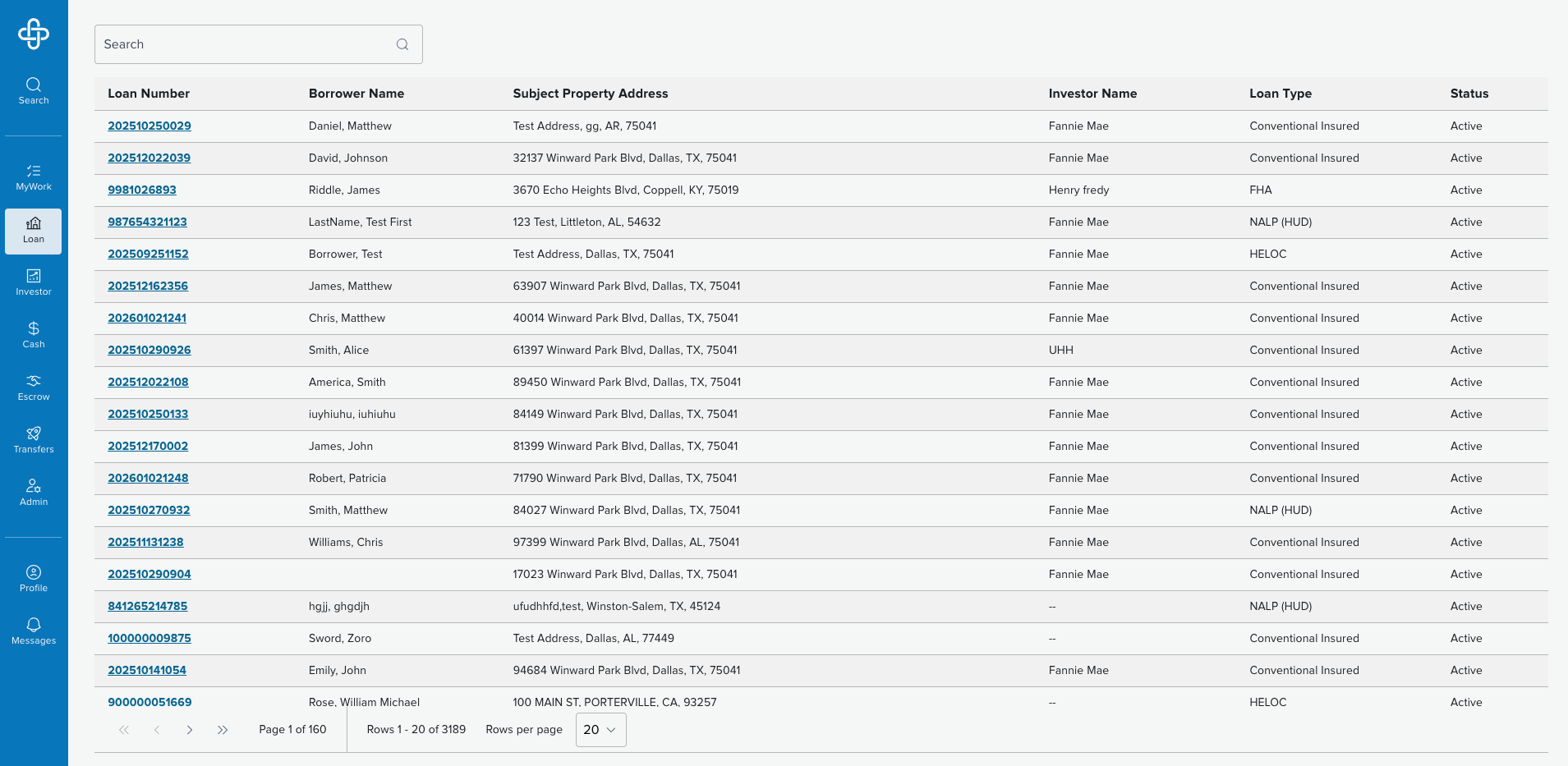
The existing Dara loan view, mapped during system discovery as the baseline the roadmap had to evolve from.
Moonshot · Unified Loan View
The Unified Loan View: one surface where loan state, actions, and context live together, replacing scattered navigation.
Dara · Unified Loan View
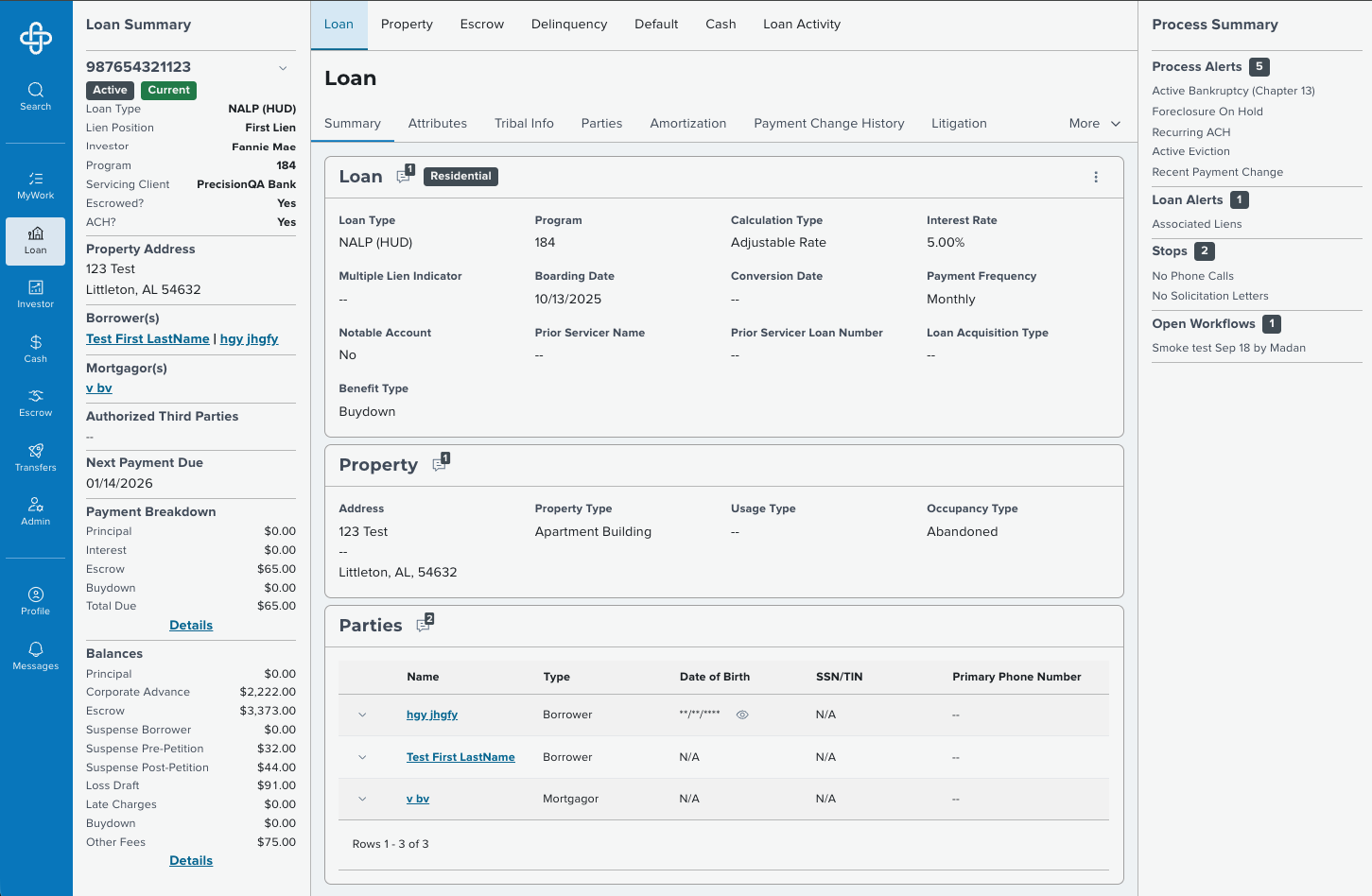
The current Unified Loan View, one of the surfaces where broken mental models were most visible to users.
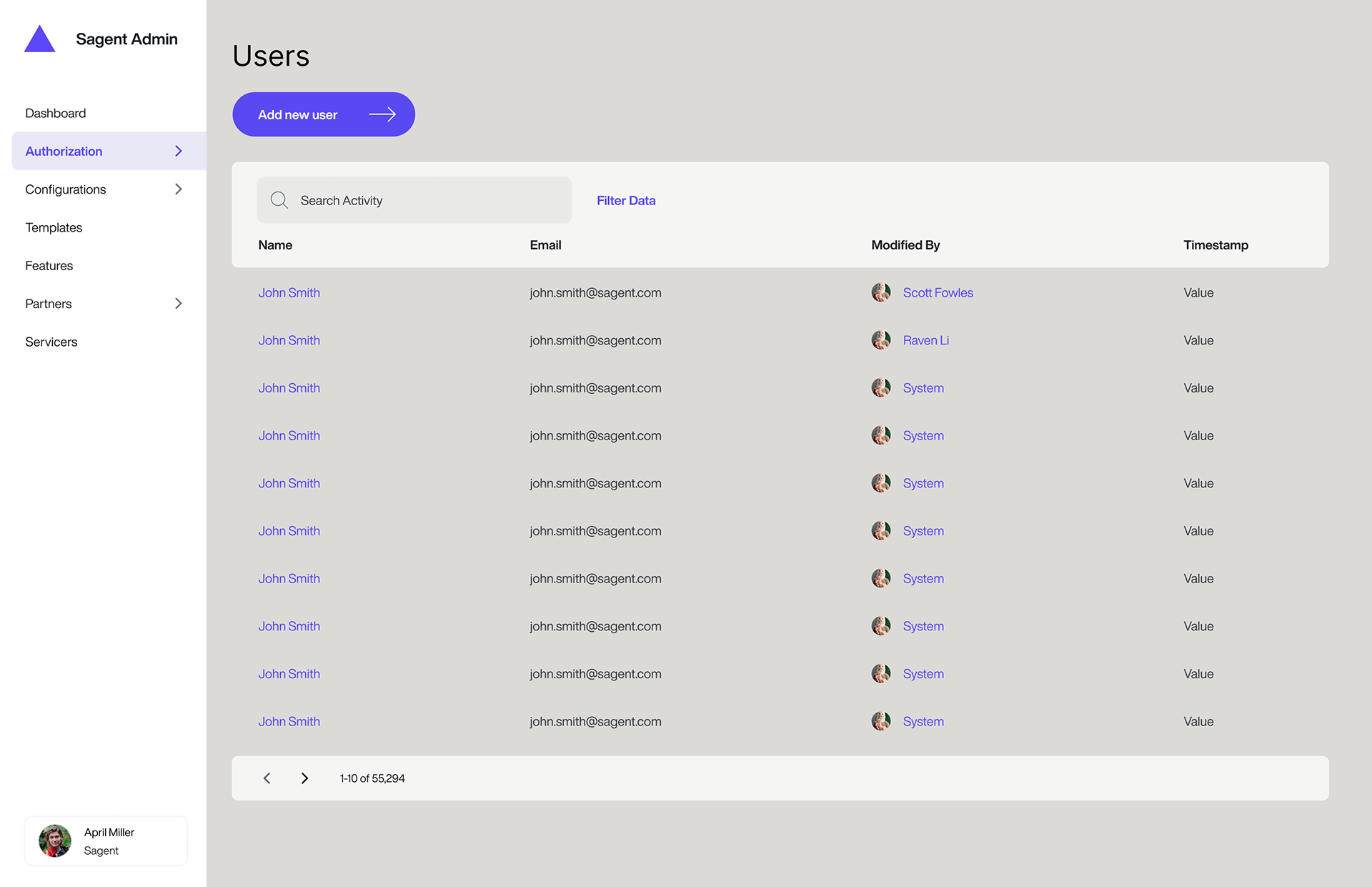
Moonshot · Admin
Admin re-architected around roles and permissions, the areas where organizational problems had become UX problems.
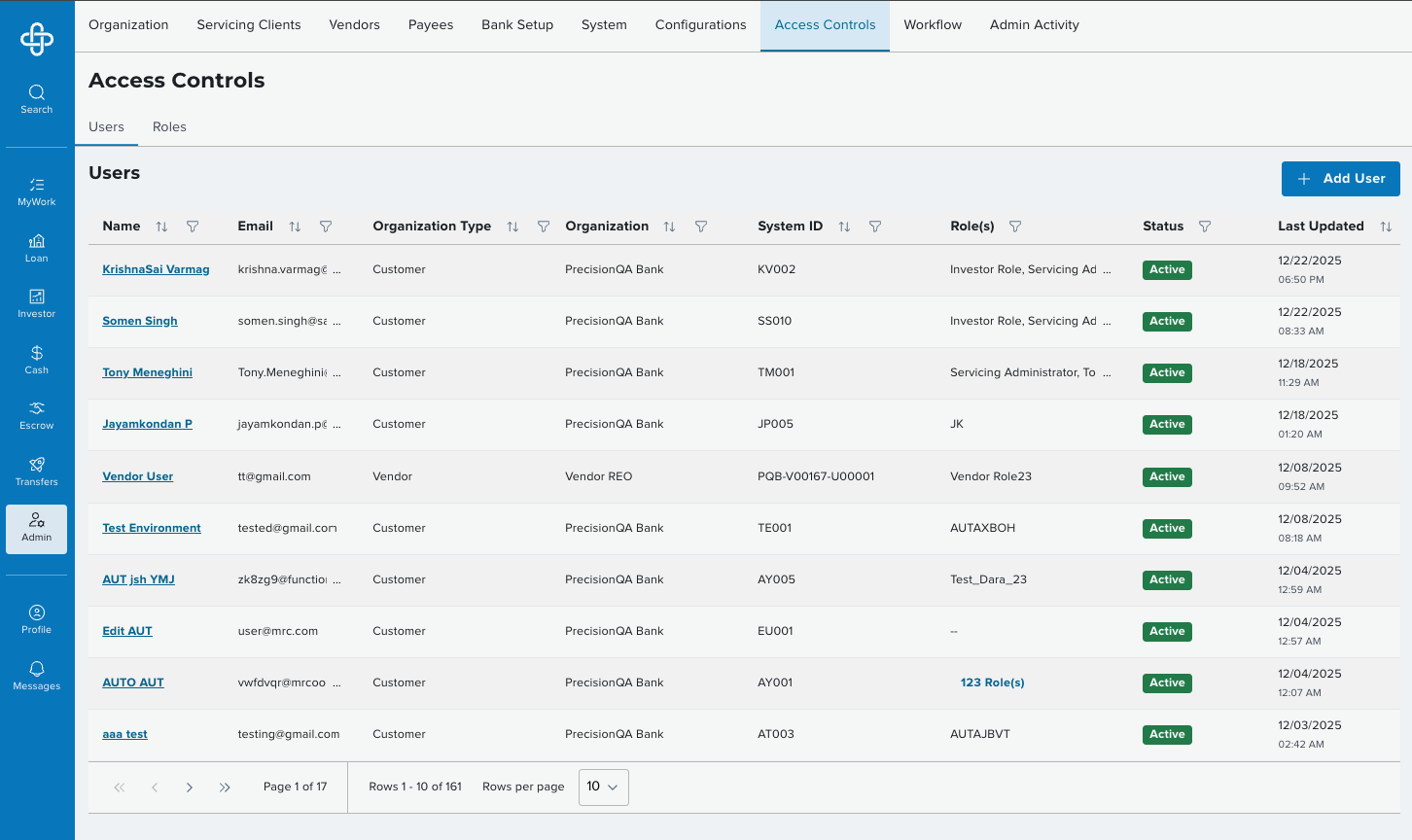
Dara · Admin
The existing admin surface, carrying years of accreted features with overlapping ownership.
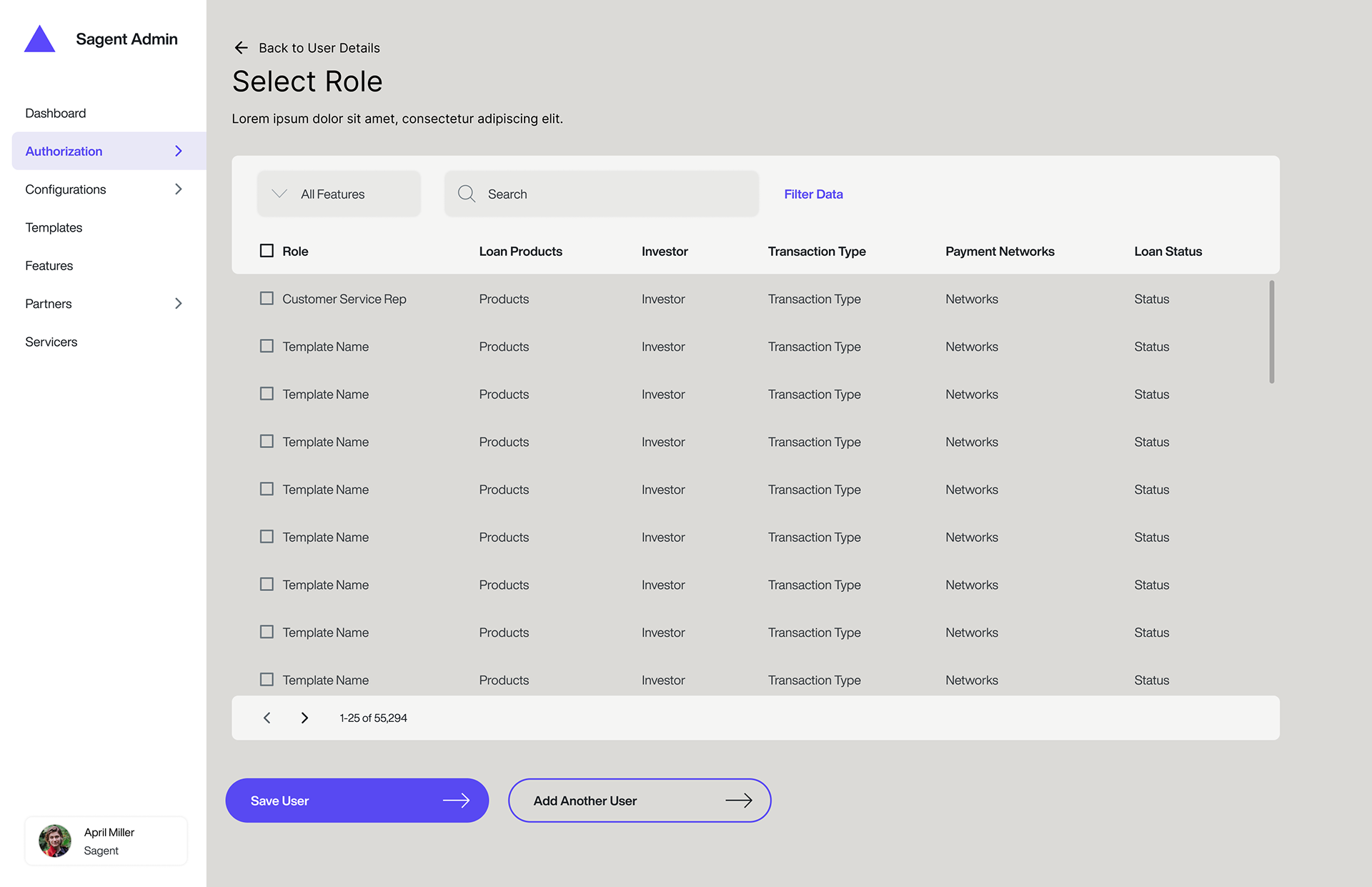
Moonshot · Role Management
Role management rebuilt on Roots components: consistent patterns, encoded accessibility, and no re-invented UX decisions.
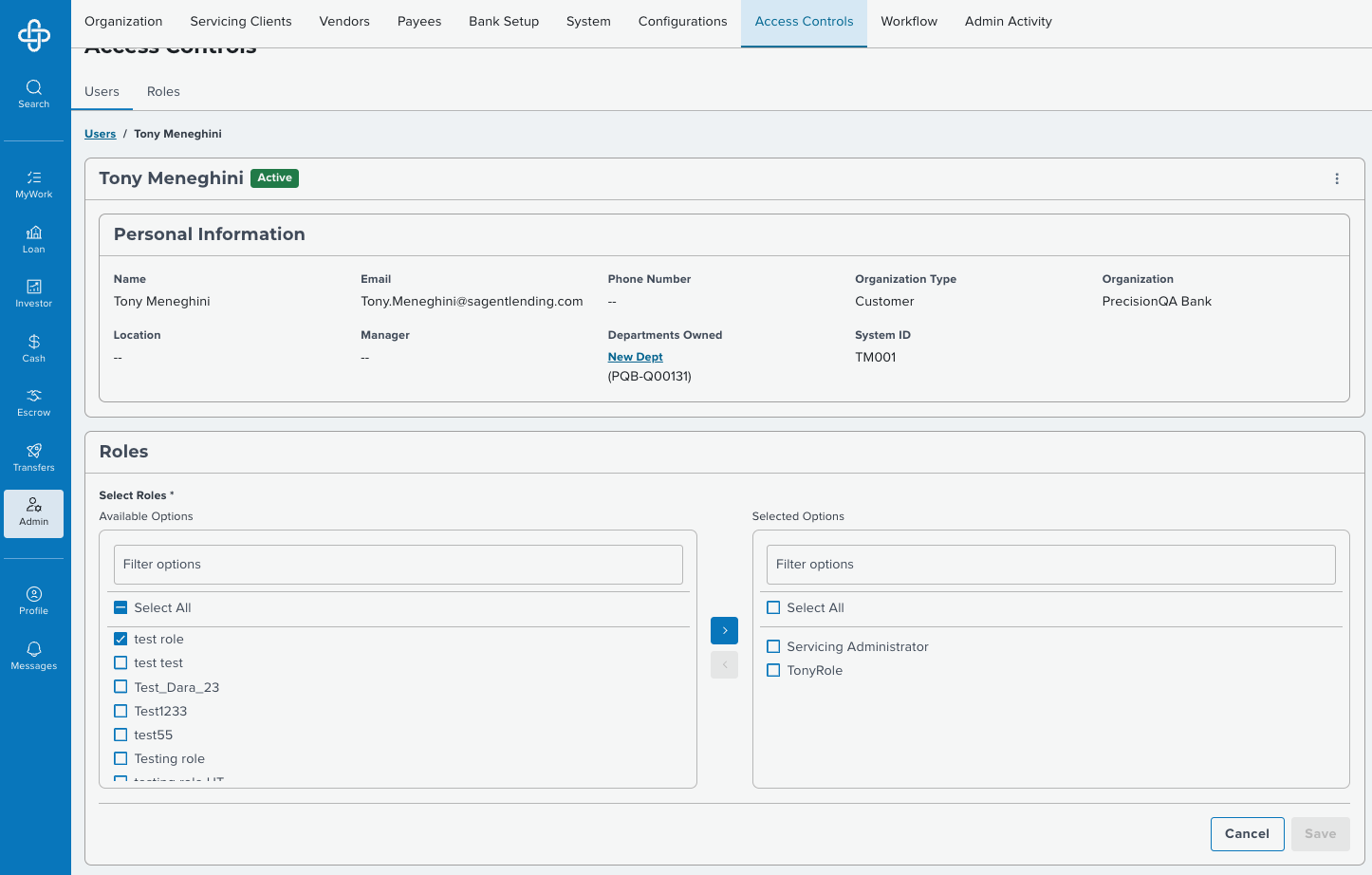
Dara · Role Management
Role management as it stood, a concrete example of the drift Roots was built to eliminate.
Results
From patching symptoms to addressing root causes.
12 months
strategic design roadmap, shipped
Roots
design system adopted incrementally
Org-wide
design embedded as a strategic lever
By the end of my tenure, the product ecosystem had a clear structural north star, design was embedded as a strategic lever rather than a service function, Dara had a scalable foundation for future growth, and teams operated with greater clarity, speed, and confidence.
Roots reduced rework between design and engineering, improved consistency and predictability for power users, and let design scale its influence beyond direct execution. Most importantly, the organization shifted from patching symptoms to addressing root causes: technically, experientially, and culturally.
Next case study
Making the trip the focal point
American Airlines · Mobile app